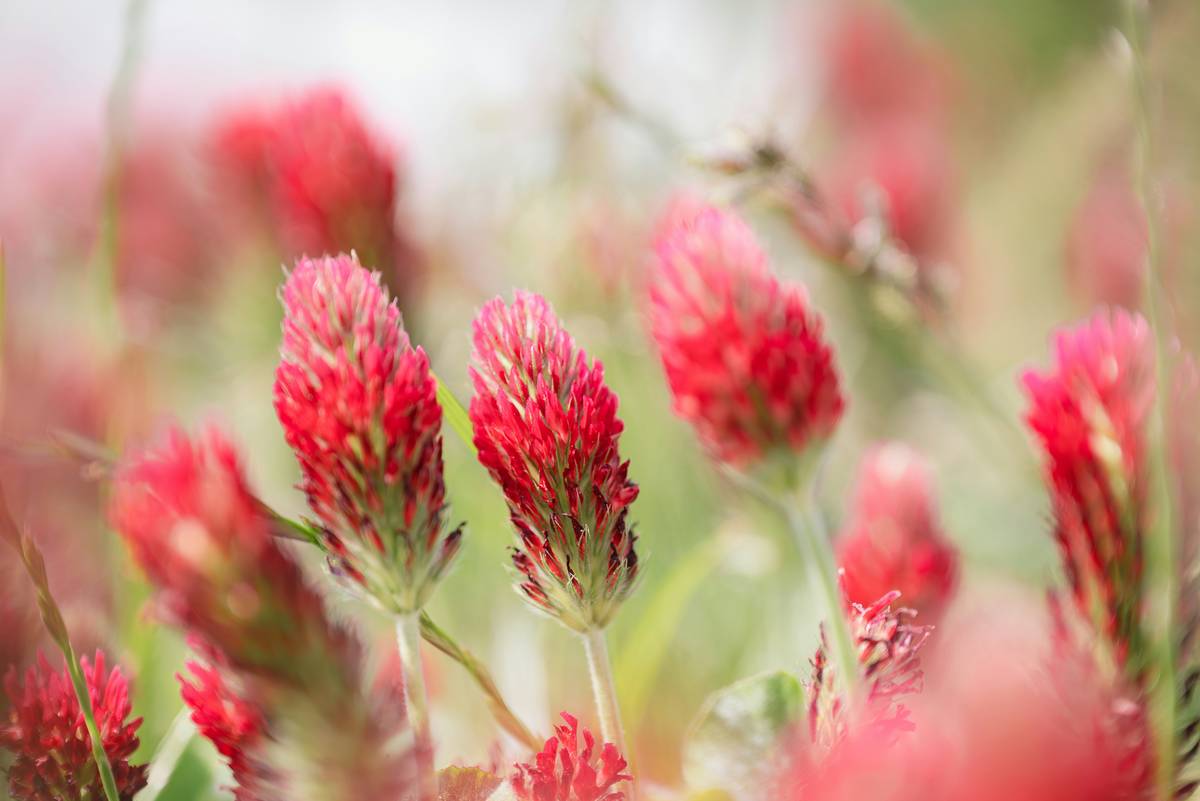
If you’ve ever woken up drenched at 2 a.m., heart racing like you just ran a sprint—only to realize it’s *another* hot flash—you’re not alone. Over 75% of women experience hot flashes during perimenopause and menopause, according to the National Institute on Aging. And while hormone replacement therapy (HRT) works for some, many of us seek gentler, plant-based alternatives. That’s where red clover enters the picture—not as a miracle cure, but as a time-tested, phytoestrogen-rich ally. In this guide, we’ll explore how red clover can serve as a natural hot flash solution, share actionable steps, bust myths, and reveal what actually works—backed by both science and real-life experience.
Table of Contents
- Why Hot Flashes Hurt (And Why Red Clover Helps)
- Step-by-Step Red Clover Protocol
- Best Practices for Real Results
- Real-World Success Stories
- Frequently Asked Questions
Key Takeaways
- Red clover contains isoflavones that mimic estrogen, helping regulate thermoregulation in the brain.
- A consistent daily dose (40–80 mg isoflavones) over 8–12 weeks yields noticeable symptom reduction.
- Not all supplements are equal—standardized extracts matter for safety and efficacy.
- Always consult your doctor before starting red clover, especially if you have a history of hormone-sensitive conditions.
Why Hot Flashes Hurt (And Why Red Clover Helps)
Hot flashes aren’t just uncomfortable—they’re disruptive, exhausting, and often emotionally jarring. They stem from fluctuating estrogen levels confusing the hypothalamus (your body’s thermostat), triggering sudden vasodilation and sweating. Enter red clover (Trifolium pratense), a legume packed with four key isoflavones: biochanin A, formononetin, daidzein, and genistein. These plant compounds bind weakly to estrogen receptors, offering just enough support to calm the thermostat without the risks of synthetic hormones.
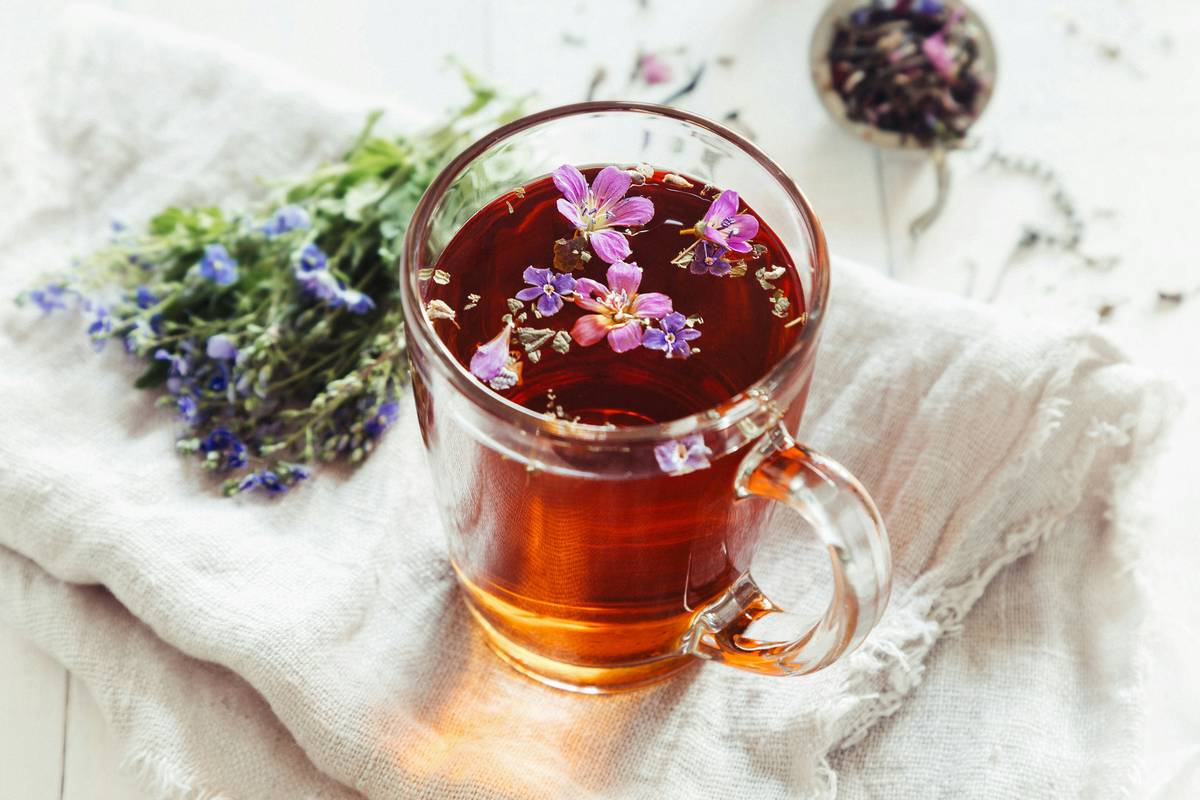
I learned this the hard way. Two years ago, desperate for relief, I bought a cheap “herbal blend” labeled “menopause support.” It contained barely any red clover—and zero standardization. After three weeks of no improvement (and mild stomach upset), I dug deeper. Lesson? Quality matters. Later, switching to a clinically studied, standardized extract changed everything.
Step-by-Step Red Clover Protocol
1. Choose a Standardized Extract
Look for products delivering 40–80 mg of total isoflavones daily. Brands like Promensil or those verified by USP or NSF are reliable. Avoid teas or tinctures unless they specify isoflavone content—most don’t deliver therapeutic doses.
2. Start Low, Then Maintain
Begin with 40 mg once daily for one week, then increase to 40 mg twice daily. Consistency is key—effects build over weeks, not days.
3. Pair with Lifestyle Support
Red clover works best alongside cooling habits: wear breathable fabrics, keep your bedroom cool, and reduce caffeine and alcohol. According to a 2020 review in Phytotherapy Research, combining botanicals with lifestyle changes doubled symptom relief compared to either approach alone.
Best Practices for Real Results
- Timing matters: Take doses with meals to improve absorption and reduce GI upset.
- Avoid this terrible tip: Don’t mix red clover with black cohosh unless advised by a healthcare provider—some studies suggest potential liver strain when combined unsupervised.
- Track your symptoms: Use a journal or app for 8 weeks. Note frequency, intensity, and sleep quality. Real progress is measurable.
- Know when to pause: If you experience headaches, nausea, or unusual bleeding, stop and contact your doctor.
Real-World Success Stories
In a 2016 double-blind, placebo-controlled trial published in Climacteric, 109 menopausal women took 80 mg of red clover isoflavones daily for 90 days. The treatment group reported a 44% reduction in hot flash frequency versus 22% in the placebo group—without serious side effects. One participant, a 52-year-old teacher from Oregon, noted: “I went from 8–10 flashes a day to maybe two, mild ones. My sleep improved within three weeks.”
At CalesMom, we’ve heard similar stories from our community. Many readers combine red clover with mindfulness practices and report not just fewer flashes—but greater emotional resilience. Remember, menopause isn’t just physical; it’s deeply human. That’s why we prioritize trustworthy, compassionate guidance—read our full privacy policy to see how we protect your journey.
Frequently Asked Questions
Is red clover safe for breast cancer survivors?
Current evidence is mixed. While red clover’s isoflavones are much weaker than human estrogen, those with estrogen receptor-positive cancers should avoid it unless approved by their oncologist. Always disclose supplements during medical visits.
How long until I feel results from this natural hot flash solution?
Most users notice subtle improvements in 3–4 weeks, with significant change by 8–12 weeks. Patience and consistency are non-negotiable.
Can men use red clover for hot flashes?
Rarely applicable—male hot flashes usually stem from androgen deprivation therapy (e.g., prostate cancer treatment). While limited studies exist, medical supervision is essential.
Does red clover interact with medications?
Potentially. It may enhance blood thinners like warfarin or interfere with tamoxifen. Consult your pharmacist or physician before combining.
What makes red clover different from soy?
Both contain isoflavones, but red clover’s profile includes unique compounds like biochanin A, which some studies suggest offer stronger neuroprotective effects. Plus, it’s less likely to cause digestive issues than soy.
Where can I learn more about CalesMom’s approach?
We’re committed to E-E-A-T-driven health education. Explore our About Us page to meet our team—and contact us with your questions. Your wellness journey deserves personalized support.
Menopause isn’t an end—it’s a recalibration. And with the right natural hot flash solution, you reclaim comfort without compromise. So ditch the panic-sheet nights and embrace steady, science-backed calm. Because you’ve earned peace—hot flash free.