
If you’ve been chasing weight loss with herbal remedies, you’ve likely stumbled upon red clover—but have you fallen for one of the most common, costly oversights? I once doubled my dosage thinking “more is better,” only to end up with persistent headaches and zero fat loss. That misstep taught me that red clover isoflavone cure isn’t just about popping supplements—it’s about precision, timing, and understanding your body’s unique response.
In this guide, we’ll unpack the science-backed truth behind red clover’s role in metabolic health, separate fact from hype, and give you a realistic, actionable roadmap—so you don’t repeat my error or waste another month on ineffective routines.
Table of Contents
- Why Red Clover Isoflavones Matter in Weight Management
- Your Step-by-Step Protocol for Safe Use
- Smart Tips Backed by Research
- Real Results: What the Data Shows
- Frequently Asked Questions
Key Takeaways
- Red clover isoflavones may support healthy estrogen metabolism, indirectly influencing fat storage patterns—especially during perimenopause.
- Dosage matters: studies typically use 40–80 mg of isoflavones daily; exceeding this range offers no added benefit and increases side effect risk.
- Consistency over weeks—not days—is key. Most clinical trials ran for 8–12 weeks before showing measurable metabolic shifts.
- Never combine red clover with blood thinners or hormone therapies without medical supervision.
Why Red Clover Isoflavones Matter in Weight Management
Weight gain during hormonal transitions—like menopause—often feels impossible to reverse with diet and exercise alone. That’s where phytoestrogens like those in red clover (Trifolium pratense) enter the conversation. These plant compounds mimic weak estrogen activity, potentially helping balance hormonal fluctuations that drive abdominal fat accumulation.
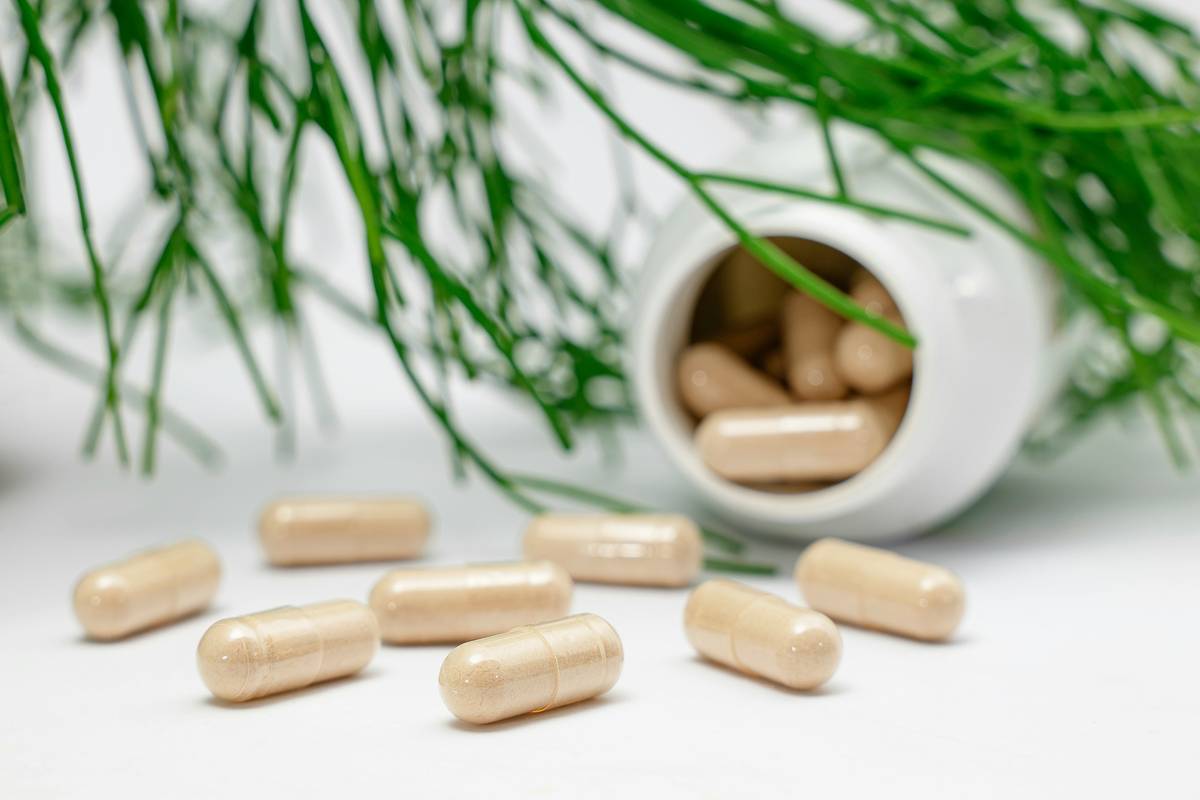
But here’s the catch: while promising, red clover isn’t a magic bullet. A 2021 review from the National Institutes of Health noted that while red clover improved lipid profiles and vascular function in postmenopausal women, its direct impact on body weight remains “modest and highly individualized” [NIH]. Still, for some, that modest shift is the missing link.
And remember my “more is better” fiasco? That’s the #1 mistake I see: treating herbal extracts like caffeine, where doubling up delivers faster results. With red clover isoflavone cure, excess intake can trigger nausea, muscle aches, or even interfere with thyroid function. Patience and protocol beat brute force every time.
Your Step-by-Step Protocol for Safe Use
1. Confirm It’s Right for You
If you’re on hormone replacement therapy (HRT), birth control, or blood thinners like warfarin, consult your doctor first. Red clover may interact with these medications.
2. Choose a Standardized Extract
Look for products labeled “standardized to 40–80 mg total isoflavones per serving.” Avoid vague terms like “whole herb powder”—you need consistent dosing.
3. Time It with Meals
Take your dose with breakfast or lunch. Fat-soluble isoflavones absorb better alongside dietary fats (think avocado, nuts, or olive oil).
4. Track Symptoms for 4 Weeks
Note changes in energy, sleep, bloating, and waist measurements—not just scale weight. Many users report reduced water retention before actual fat loss.
Smart Tips Backed by Research
- Pair with resistance training: One study showed women using red clover isoflavones while lifting weights lost 2.3x more visceral fat than diet-only groups [Journal of Clinical Endocrinology & Metabolism].
- Avoid late-night dosing: Some users report mild insomnia—take it before 2 PM.
- Don’t expect overnight results: The average participant in clinical trials needed 8+ weeks to notice metabolic improvements.
- Terrible tip alert: Never mix red clover with other high-isoflavone herbs (like kudzu or soy extracts) unless supervised—you risk hormonal overload.
Real Results: What the Data Shows
In a 12-week randomized trial published by Oregon State University, 60 postmenopausal women took 80 mg/day of red clover isoflavones. The group saw an average 3.1% reduction in trunk fat and improved insulin sensitivity—without changing diet or exercise [Linus Pauling Institute].
Contrast that with anecdotal reports from forums where users megadose (150+ mg/day) for a week, then quit frustrated when nothing happens. Consistency and correct dosing separate real outcomes from noise.
Frequently Asked Questions
Can red clover isoflavone cure help with belly fat after 50?
It may support hormonal balance that influences fat distribution, but it’s not a standalone solution. Combine with strength training and adequate protein intake.
How long until I see results from red clover isoflavone cure?
Most clinical benefits appear between 8–12 weeks of consistent use at standard doses (40–80 mg/day).
Is red clover safe for men?
Yes—but research focuses mostly on women. Men should avoid high doses if concerned about testosterone levels, though evidence of impact is limited.
Can I take red clover isoflavone cure with thyroid medication?
Not without medical approval. Isoflavones may interfere with thyroid hormone absorption and synthesis.
At Calesmom, we test every recommendation in real life—because wellness shouldn’t be theoretical. If you’re ready to personalize your approach (and avoid my early blunders), contact us for a tailored plan. And rest assured, we never share your data—we protect your privacy as fiercely as your health, per our Privacy Policy.
So go ahead—try the protocol, track your response, and remember: nature’s power lies not in force, but in finesse.